Start with the proof set behind your crypto trades
Crypto reporting is harder to verify than wages because returns are built from multiple transaction sources. For George Dimov CPA clients, the work begins with the transaction trail needed to compute capital gains and losses from crypto trades and other taxable events. The practice is located at 211 E 43rd St Suite 7-100, New York, NY 10017 and can be reached at (212) 641-0673.
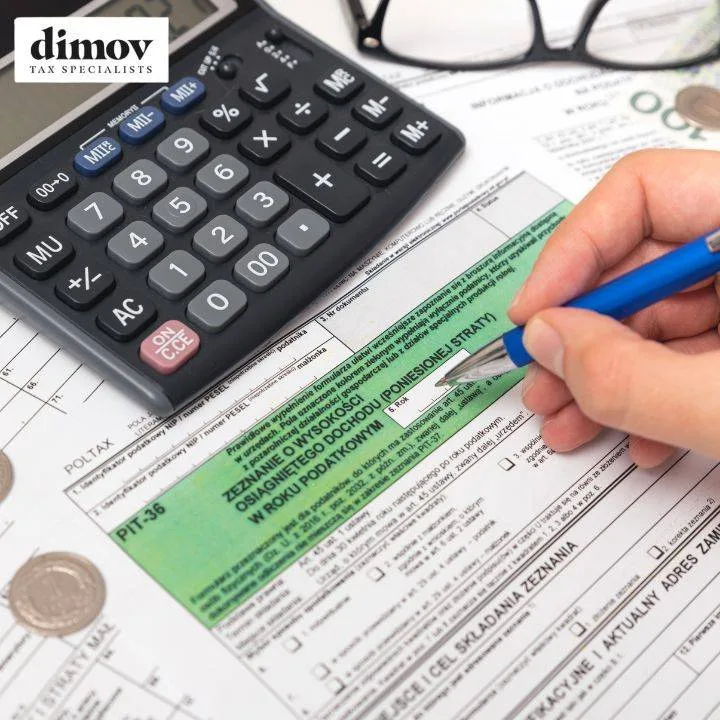 A complete proof set makes crypto returns easier to reconcile across exchanges and wallets.
The 4.6 rating from 541 reviewers that points to operational accuracy
Client feedback often reflects the behind-the-scenes steps that matter for complex reporting. George Dimov CPA carries a 4.6 average rating from 541 reviewers. In practice, that usually shows up in clearer document handling, faster reconciliation, and fewer follow-up questions when the return must align with the source totals.
Six items to request or export before the first crypto review
When crypto taxpayers prepare for a tax appointment, the objective is consistency across the inputs used to build the return. A focused checklist helps avoid missing data that can distort reporting totals.
- Exchange trade history that lists trade dates, amounts, and fees.
- Wallet-to-wallet transfer records that identify the platform or address receiving the asset.
- Cost-basis inputs used to support gain or loss calculations from the selected method.
- Any reward or income statements tied to taxable crypto activity for the year.
- Platform summaries that match the same time window as the return tax year.
- Prior-year filings (if available) when prior positions affect how a current calculation is tracked.
How a timeline review reduces mismatches across statements
A consistent timeline is a concrete check: it ties together what happened, when it happened, and where the numbers come from. For crypto filers in New York, the goal is to align the trade sequence reflected in exchange reports with the activity recorded in wallet history. When the timeline matches, totals are easier to reconcile and the return workpapers can follow the same order of events.
What changes the filing outcome: fees, timing, and identification
Crypto reporting depends on details that are easy to overlook when documents are scattered. Fees recorded on exchanges must be handled consistently with the cost-basis and gain/loss calculations used in the return. Dates determine which tax year a transaction belongs to. Clear identification of exchanges, wallets, and transfer counterparties helps prevent duplicated entries.
 Crypto tax prep improves when timing, fees, and transaction identifiers are reconciled in one workflow.
Choose the right workflow: in-person, virtual, or drop-off
George Dimov CPA operates from an office in New York and supports multiple ways of working with clients. The practice supports in-person appointments, virtual meetings, drop-off returns, and e-filing. This flexibility can be useful when transaction files arrive in different formats and need review against the same checklist.
For scheduling, use the office phone at (212) 641-0673 or the firm’s official website. The practice’s listing provides service information at https://www.nycaccountingconsulting.com/cpa-services-in-new-york/?utm_campaign=gmb.
Final pre-filing verification before submission
Before a return is finalized, the checklist should be complete and the numbers should trace back to the same source set. For crypto clients, the final verification whether trade history and wallet records reconcile, whether fees were applied consistently, and whether the reporting totals match the exchange summaries for the tax year. This approach helps create a return that is easier to support if questions arise later.
Book a crypto tax review with George Dimov CPA
George Dimov CPA provides crypto tax compliance support from 211 E 43rd St Suite 7-100 in New York. The practice is independently run and listed with contact phone (212) 641-0673, with strong client feedback reflected in the 4.6 rating from 541 reviewers.
 Using a six-item proof set helps crypto filers move from raw exports to return-ready reporting.